General Surgery
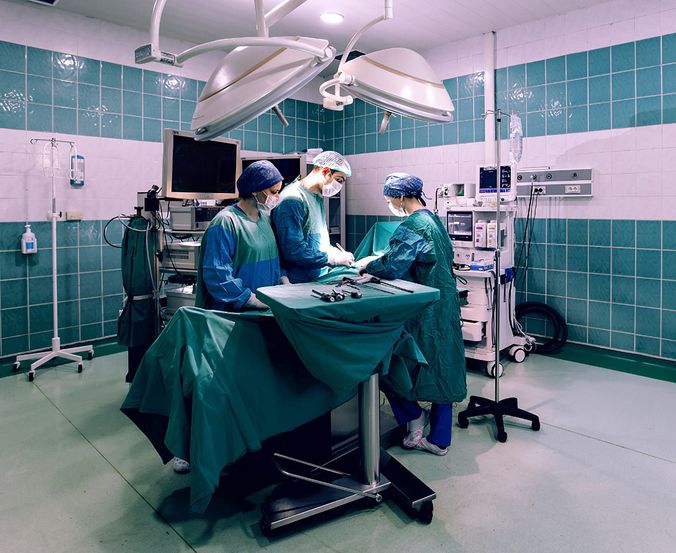
Modern operating suite, high professionalism!
Leyla Medical Center's operating suite consists of operating rooms equipped with modern equipment based on the latest technologies. Our clinic can perform 6 operations simultaneously, and all procedures are carried out in accordance with high safety standards.
Completely safe and comfortable surgical services for patients:
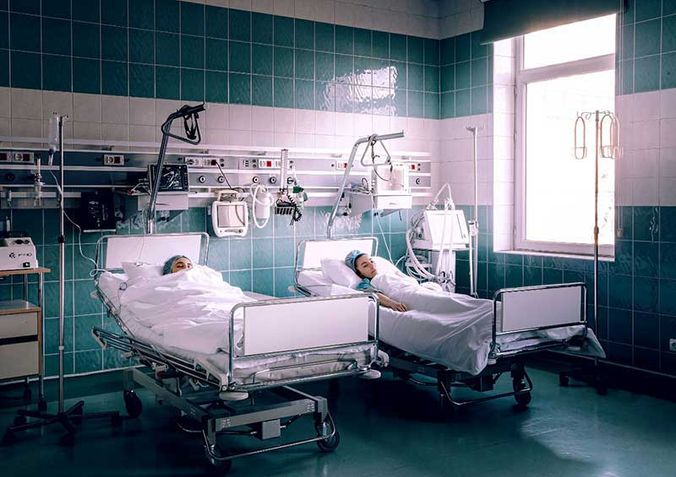
In the General Surgery Department, inpatient services are provided to patients who need surgery or require medical observation after surgical intervention. Treatment is planned according to the patient's condition, and medication therapy, wound care, pain management, and monitoring of the recovery process are provided. In the intensive care unit, the vital functions of patients requiring intensive monitoring are observed, and necessary supportive treatment is provided. Upon discharge, the patient is given recommendations regarding medication use, wound care, nutrition, and follow-up examinations.
The condition of patients receiving surgical treatment is monitored around the clock in accordance with medical indications. During monitoring, blood pressure, pulse, respiration, body temperature, pain level, and the condition of the surgical wound are assessed. This approach helps detect postoperative changes and possible complications in a timely manner. If the patient's condition deteriorates or unexpected symptoms arise, the medical staff conducts an appropriate assessment and takes the necessary measures.
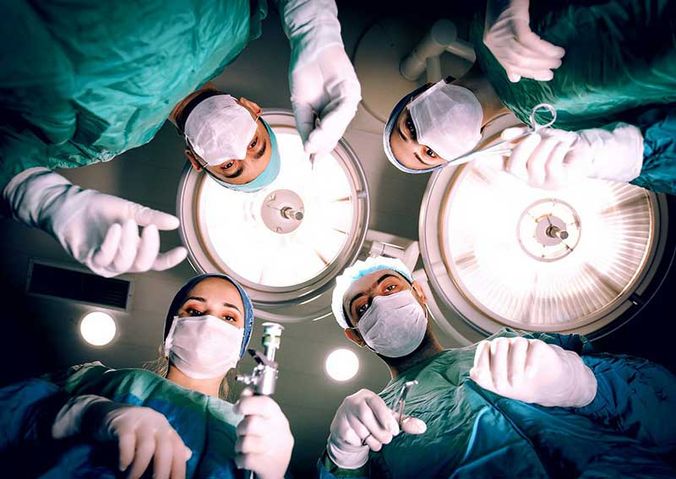
In the General Surgery Department, surgeons, nurses, and other relevant specialists work together throughout all stages of the patient's treatment. From the initial examination and diagnosis through preoperative preparation, surgical intervention, and the subsequent recovery period, medical care is organized according to the patient's individual needs. The patient is informed about their diagnosis, the planned surgery, possible risks, and the recovery process. Recommendations regarding wound care, medication use, physical activity, and returning to daily life are provided after surgery.
The Anesthesiology Service is intended to ensure pain management during surgery and the preservation of the patient's vital functions. Before surgery, the anesthesiologist assesses the patient's health condition, allergies, medications, and comorbidities to determine the appropriate anesthesia method. During surgery, respiration, cardiac function, blood pressure, and oxygen levels are monitored. After surgery, the patient's recovery from anesthesia, pain level, and general condition are assessed; intensive care is provided when necessary.
Surgical procedures performed:
The General Surgery Department provides surgical treatment for various diseases of the abdominal organs, skin and subcutaneous tissues, soft tissues, and other anatomical structures. Acute and chronic inflammatory processes, abscesses, cysts, benign and suspicious masses, soft tissue pathologies, and other surgical diseases are evaluated in the department. Depending on the patient’s condition, elective and emergency surgical interventions may be performed. Before treatment, the patient’s complaints, medical history, laboratory tests, and imaging examinations are evaluated. The surgical method is selected according to the nature, location, and severity of the disease. After surgery, recommendations are provided regarding pain management, wound care, nutrition, and the resumption of physical activity, and the recovery process is monitored medically.
Gallbladder and biliary tract surgery includes the treatment of gallstone disease, acute and chronic cholecystitis, obstruction of the bile ducts, polyps, and other pathological changes. Gallstones may cause abdominal pain, nausea, vomiting, and digestive problems. In some cases, the passage of stones into the bile ducts may result in jaundice, inflammation, and other complications. One of the most commonly performed interventions is the surgical removal of the gallbladder. The laparoscopic method may be used in suitable patients; this method allows surgery to be performed through small incisions. The type of surgery is determined based on the examination results and the patient’s general condition. Individual recommendations regarding nutrition, physical activity, and the recovery process are provided after treatment.
Gastrointestinal surgery includes the surgical treatment of diseases of the stomach, small and large intestines, as well as other structures associated with the digestive system. This field includes intestinal obstruction, complications of peptic ulcer disease, polyps, diverticular disease, tumors, perforation, and other surgical pathologies. While some diseases require elective intervention, conditions such as intestinal obstruction and perforation may necessitate emergency surgery. Before surgery, the location and extent of the disease, the condition of the intestine, and the patient’s general health are evaluated. Depending on the indications, removal of the affected part of the intestine, connection of the intestinal ends, or other surgical procedures may be performed. After surgery, restoration of digestive system function, nutrition, bowel function, and monitoring for possible complications are important parts of treatment.
Endocrine surgery includes the surgical treatment of certain diseases of hormone-producing organs, particularly thyroid nodules, enlargement, and tumors. The decision to operate is made based on ultrasound examination, hormonal tests, biopsy results, and other clinical indicators. The extent of the intervention is selected according to the characteristics of the disease, and additional examinations may be required after surgery to monitor hormonal functions. Bariatric surgery is used in the treatment of obesity, particularly in suitable patients with diabetes mellitus, arterial hypertension, and other metabolic problems associated with excess weight. Before surgery, the patient’s general health, nutritional habits, and comorbidities are evaluated. After surgery, it is important to follow the dietary regimen, monitor vitamin and mineral deficiencies, control weight changes, and attend regular medical examinations.
Hernias occur as a result of internal tissues or organs protruding through weak areas of the abdominal wall. The most common types include inguinal, umbilical, abdominal wall, and incisional hernias. Swelling, pain, a feeling of heaviness, and discomfort during physical activity may be observed in the hernia area. Some hernias require surgical treatment due to the risk of complications. During hernia repair, the protrusion is returned to its proper place and the weak area of the abdominal wall is reinforced. The operation may be performed using an open or laparoscopic method; in some cases, a special surgical mesh is used to reduce the risk of recurrence. The treatment method is selected according to the size and location of the hernia, previous surgeries, and the patient’s general condition. After surgery, recommendations are provided regarding wound care, limitation of physical exertion, and a gradual return to normal activities.
Pancreatic surgery is used in the treatment of tumors, cysts, certain chronic inflammatory diseases and other complex pathologies that develop in this organ. Since the pancreas is involved in both the secretion of digestive enzymes and the regulation of blood sugar, diseases of this organ require special attention. Laboratory tests, ultrasound, computed tomography, magnetic resonance imaging and, where necessary, other examinations may be used during diagnosis. The type of surgical intervention is determined based on the location, size and spread of the disease, as well as the functional state of the organ. In some cases, removal of part of the pancreas or other specialized procedures may be required. After surgery, nutrition, digestive function and blood sugar levels are monitored. Depending on the patient's condition, enzyme preparations, nutritional support and additional treatment measures may be recommended.
Phlebological operations are mainly performed to treat varicose veins of the lower extremities and chronic venous insufficiency. These conditions may manifest as heaviness, pain, swelling, nighttime cramps and visible dilated veins in the legs. In advanced cases, skin changes, venous ulcers and other complications may occur. To develop a treatment plan, the patient's complaints, the condition of the veins and the results of venous Doppler ultrasound examination are evaluated. Depending on the severity of the disease, intravascular interventions, removal of dilated veins and other surgical methods may be applied. The aim of treatment is to improve venous blood circulation, reduce symptoms and manage the risk of complications. After surgery, recommendations may be provided regarding the use of compression stockings, walking, physical activity and follow-up examinations. The specific treatment method is selected individually for each patient.
In addition to the areas mentioned above, the General Surgery Department may also provide treatment for various diseases requiring an individualized approach and special surgical planning. These may include complex soft-tissue pathologies, recurrent surgical problems, certain purulent-inflammatory processes and interventions involving several anatomical regions. In each case, the necessity of surgery is determined based on the patient's complaints, examination results and general health condition. In complex cases, the surgeon develops an optimal treatment plan in collaboration with other qualified specialists. The patient is informed about the purpose of the surgery, possible alternatives, expected benefits, risks and recovery period. After surgery, the recovery process is monitored through pain management, wound care, regulation of physical activity and follow-up examinations. The main aim of treatment is to ensure the patient's safety, eliminate the problems caused by the disease and support the patient's return to daily life
Photo Gallery

Yenilənmiş mobil tətbiqimiz hər zaman xidmətindədir.
iOS və Android əməliyyat sistemlərində mövcuddur.